




Scams, Hoaxes, Phishing, Smishing
by Gila Ansell Brauner
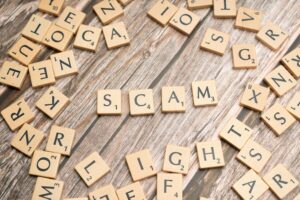
A short piece for translators and editors: some ideas to suss out /avoid scams and shifty clients, based on some recent cries for help.
First: It helps to separate new clients into 3 categories, to check out their identity and financial status. (OK - an old client might suddenly become awkward and refuse to pay /not pay in full, but let's set that aside...)*
Second: Don't enter a new business relationship without a written agreement (whatever will stand in law) that is adjudicable in your own legal jurisdiction.
Third: Heard at a professional talk - not to fall for the advance payment with recall from your account / payment that is not the digital equivalent of exact and real cash for each job - this advice is available in greater detail in a lecture on scams. Also, check out ProZ's advice on scams!
*A) Individuals, whether laypersons or professionals in other fields.
You will most likely never meet them, but can ask for references, professional membership, look them up, check their names on the hoax listings, ask for valid ID. Something else: Their home or business address should be listed on a bill; and you need to know they can pay you. Just as you might provide proof of address and of bank account management to your client, why not ask the same of them?
B) Businesses, agencies. Absolutely go for full identification, business registration and who owns their website, if they have one. Businesses can hold a professional Gmail account, but unless they're a small home office, they will probably have a professional domain name: although these might also be aliases. The most important thing: get real identification from them, personal and professional, before going any further.
Next, because hoax companies are often set up as small businesses, or might look like a well-known company, check out they are the genuine article by looking at the URL and email address - this is also advice from other professionals. Similarly, the same financial checks need to be done and ask for proof of business status, address, and so on.
Finally, on samples: Due to my NDAs, I can rarely send a sample of previous work, unless it appears online or in a publication. Personally, I do not offer more than 3 separate half pages (chosen by myself, at random) from any document unless the client is paying me for the sample.
C) International or local branches of real or supposed international companies and agencies.
The highest risk category: paying lower or extremely low rates, they might even be faking their online presence to appear like a well-known company, asking for ridiculous volume translations, offering agreements with huge liability clauses, sending out AI translations for post-editing without secure agreements/ guarantees of payment. Local agencies that you can verify / ask about through your translators' association, are a good way to build up a new business, but network and find out about the biggies.
Feedback and additions welcome!